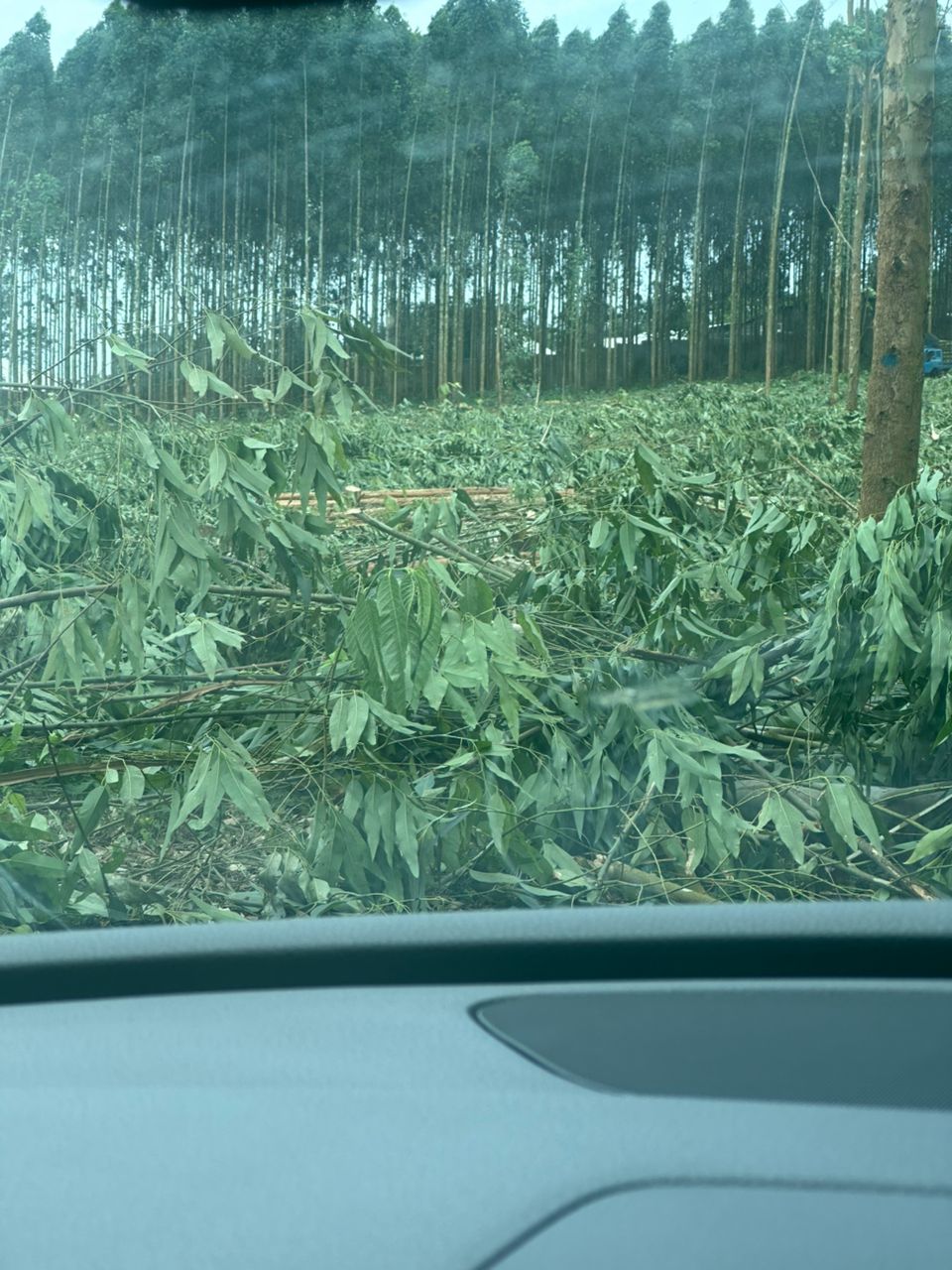
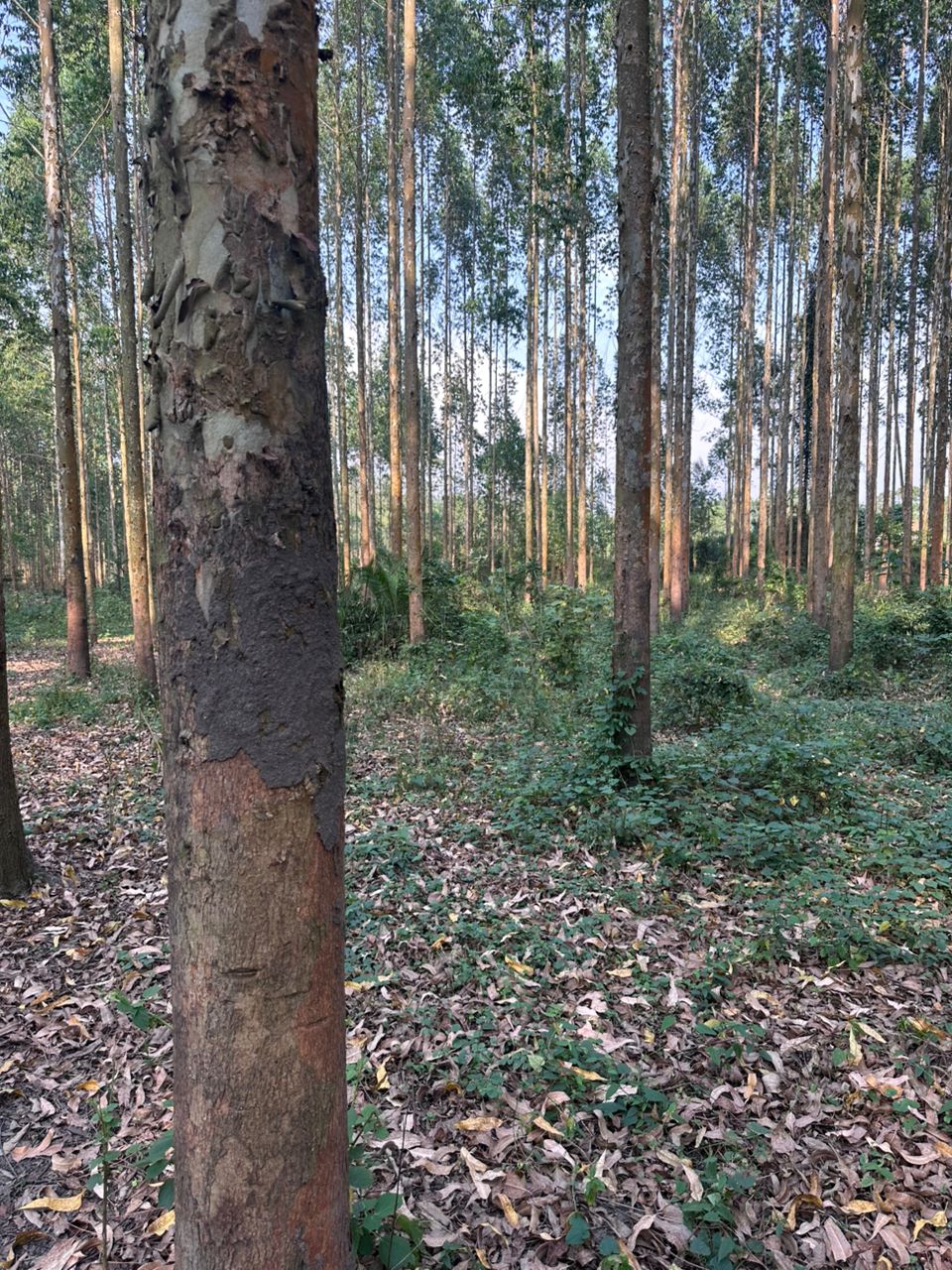
Tree Planting in South Sudan: Teak, Reconstruction and Risk
South Sudan has a genuine teak heritage in the Equatorias, where plantations established during the colonial period demonstrated that the species does well in the region's climate and soils.
Demand is strong — reconstruction and construction consume timber and poles — and domestic supply is limited.
Being straight about it: the constraints here are not agronomic. They are security, infrastructure, tenure and market access. Plan around those first.
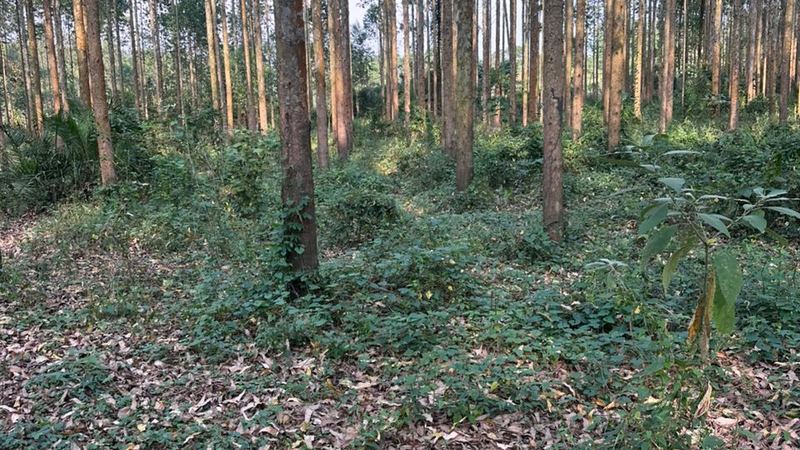
Growing Zones
South Sudanese conditions vary enormously with altitude and rainfall, and species choice follows from that more than from preference.
| Zone | Character | Suits |
|---|---|---|
| Central and Western Equatoria | Yei, Maridi, Yambio. Higher rainfall, good soils, the teak zone | Teak, gmelina, indigenous hardwoods |
| Eastern Equatoria | Torit, Magwi. Variable rainfall, some highland | Teak on suitable soils, eucalyptus, fruit trees |
| Greater Bahr el Ghazal | Wau, Aweil. Seasonal, savanna | E. camaldulensis, neem, drought-tolerant species |
| Upper Nile and Jonglei | Malakal, Bor. Seasonally flooded in places | Careful siting; avoid seasonally flooded ground entirely |
| Around urban centres | Juba and towns. High fuelwood and pole demand | Short-rotation eucalyptus, fast-growing species |
Species That Work
| Species | Where | For |
|---|---|---|
| Teak (Tectona grandis) | Equatoria, on deep free-draining soil | Premium timber, proven in the region |
| Gmelina arborea | Higher-rainfall south | Fast utility timber and poles |
| Eucalyptus camaldulensis | Drier zones and around towns | Poles, fuelwood, charcoal |
| Azadirachta indica (neem) | Drier north | Shade, fuelwood, drought tolerance |
| Mangifera indica (mango) | Throughout | Fruit plus shade; reliable household value |
| Indigenous hardwoods | Equatoria forest margins | High value, long rotation, regulated |
What Makes South Sudan Different
- The teak precedent is real and useful. Plantations established in the Equatorias decades ago proved the climate and soils suit teak — that removes a large part of the agronomic uncertainty a new grower would otherwise face.
- The binding constraints are not biological. Security, road access, market linkage and tenure clarity determine whether a plantation is realisable, far more than species choice does.
- Long rotations need long stability. Teak is a twenty-year-plus commitment. Where tenure or security is uncertain, shorter-rotation eucalyptus for poles and fuelwood carries far less exposure.
- Reconstruction demand is genuine and supports timber and pole prices, particularly around Juba and the larger towns.
- Fuelwood and charcoal demand around urban centres is intense, which makes short-rotation eucalyptus close to towns commercially sensible.
We advise across East and Central Africa. Tell us where the land is.
The Market
- Construction timber and poles — reconstruction and building, concentrated around Juba and regional towns.
- Charcoal and fuelwood — very large urban demand.
- Teak — premium, with regional and export interest for well-grown stems, though export logistics are a real constraint.
- Cross-border trade — proximity to Uganda, Kenya and DRC markets.
Before You Plant: Check Locally
Confirm these with the Ministry of Environment and Forestry
- Whether your planting needs any permit or registration, and whether the species is restricted.
- Setbacks from watercourses, wetlands and lakeshores. Several countries in the region restrict or prohibit eucalyptus near water, and the rules have changed more than once.
- Harvesting and timber movement documentation — usually required for commercial volumes.
- Whether an environmental assessment is triggered at your scale.
- Land tenure, resolved in writing before planting. Trees are visible, immovable and take years; disputes surface when the crop becomes valuable.
We are a Ugandan consultancy with regional experience, not a south sudanese regulator. Treat this page as an orientation to species, spacing and markets, and confirm regulatory detail nationally before committing money.
Run Your Own Numbers
The arithmetic of spacing, volume and yield is identical everywhere — only the species choice and the market change. Our free calculators work in metric or imperial for any country:
Frequently Asked Questions
Does teak grow well in South Sudan?
Yes — plantations established in the Equatorias during the colonial period demonstrated that the climate and soils suit teak, which removes much of the agronomic uncertainty.
As everywhere, soil decides it: deep, free-draining, non-acidic ground is essential. Dig pits before committing.
What is the main obstacle to forestry in South Sudan?
Not the growing conditions. Security, road access to markets, tenure clarity and the long time horizons that plantations require are the binding constraints.
That argues for matching rotation length to how stable your particular situation is — shorter-rotation eucalyptus carries far less exposure than twenty-year teak.
What should I plant near Juba?
Short-rotation eucalyptus for poles and fuelwood. Urban demand is intense, the rotation is five to eight years rather than twenty, and transport distance is short.
E. camaldulensis handles drier conditions; better sites will support faster-growing species.
Is it safe to plant a twenty-year crop here?
That is a judgement about your specific location and circumstances rather than something we can answer generally. What we would say is that the exposure is real and should be priced in.
Where tenure or stability is uncertain, a five-to-eight year eucalyptus rotation gives you a saleable asset far sooner, and the stumps coppice for further crops.
How many trees per acre should I plant?
About 647 per acre at 2.5m × 2.5m for poles, 450 at 3m × 3m for teak or timber, and 1,012 at 2m × 2m for fuelwood.
Teak in particular benefits from spacing that allows pruning access, since clear stem length determines most of its value.
Planning Planting in South Sudan?
Match the rotation to your actual security of tenure. We will talk through species, spacing and the honest risks before you commit.
Over a decade establishing, measuring and managing eucalyptus, pine and indigenous plantations across Uganda. Based in Wakiso, Kampala. Reviewed and updated September 6, 2026.
Forestry elsewhere in Africa
Species, spacing and rotation change with altitude, rainfall and market. Same method, different answers.