Sell Standing or Harvest Yourself? The Ugandan Numbers
For most smallholders, sell standing — but only after a measured inventory and only to a buyer chosen from at least three.
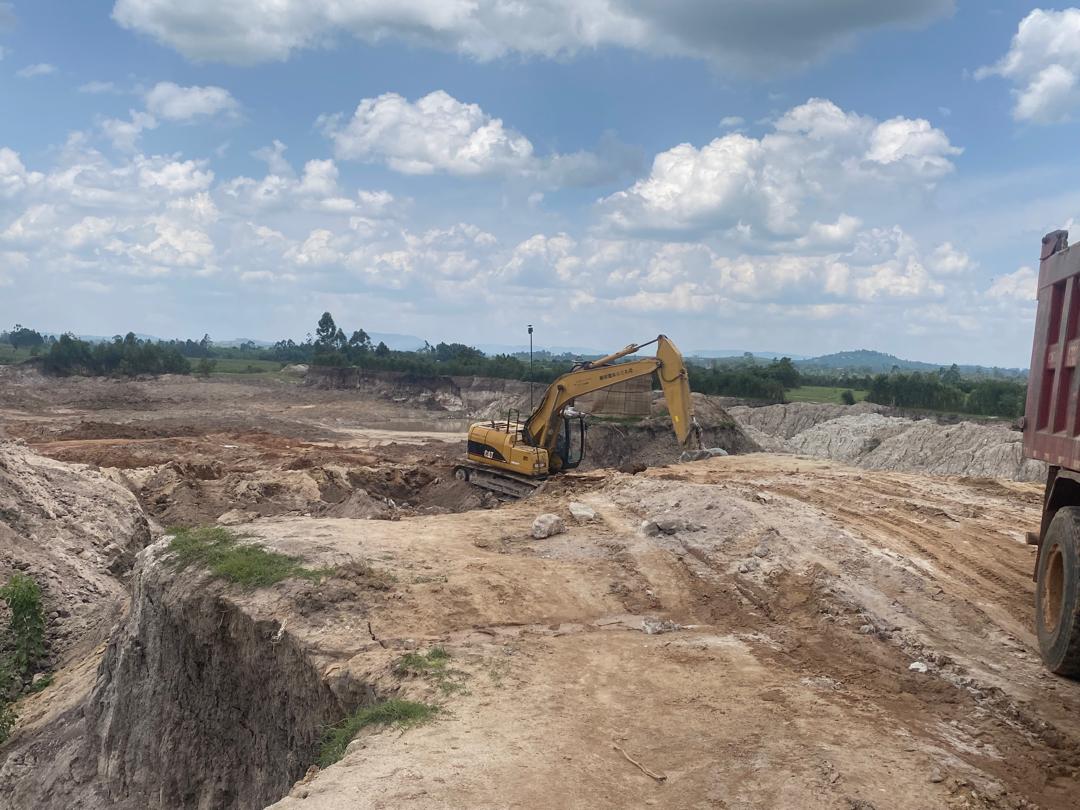
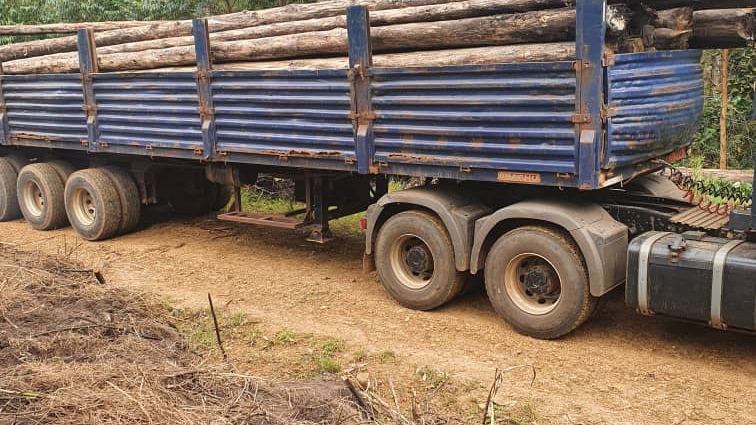
Selling standing transfers felling, extraction, equipment, labour and permit risk to the buyer, at the price of a lower per-unit return. Harvesting yourself captures more value but requires capital, machinery, licences, supervision and a market for every grade including the poor material.
The calculation flips at scale, and at the point where you have somewhere reliable to sell each grade.
What Each Route Involves
| Sell standing | Harvest yourself | |
|---|---|---|
| Per-unit return | Lower | Higher |
| Capital needed | None | Chainsaws, transport, or contractor payment up front |
| Who carries extraction risk | Buyer | You |
| Permits | Usually the buyer, if the contract says so | You |
| Safety liability | Largely the buyer's crew | Yours to manage |
| Grade sorting | Buyer's problem | Your opportunity — and your problem |
| Poor-quality material | Included in the deal | You must find a home for it |
| Time demand | Low | High and continuous for weeks |
| Coppice protection | Contract clause | Directly controlled |
Where the Calculation Flips
- Volume. Below a certain size, mobilising crews and transport for your own block is inefficient. Buyers spread that cost across several jobs.
- A market for every grade. If you can only sell the good poles, the residue becomes a cost. Buyers who take the whole block absorb that.
- Access. Difficult wet-season access punishes an inexperienced operator far more than a professional one.
- Time. A harvest is weeks of daily supervision. If you are not on site, you are not harvesting yourself — you are paying someone else to, without the buyer's price protection.
- Repeat business. If you will harvest again every few years, the learning and relationships start to compound. One-off harvests rarely justify it.
The Hidden Costs of Doing It Yourself
What first-timers leave out
- Residue and slash. It has to be dealt with, and it costs.
- Site damage. Ruts, damaged retained trees, blocked drainage — all yours to repair.
- Safety. Felling is genuinely hazardous. An accident involving an uninsured, unbriefed crew on your land is your problem.
- Permits and movement documentation. Yours to obtain and get right.
- Stump quality. Careless cutting destroys coppice — and if you are supervising, that is on you.
- Storage and theft. Cut timber on a roadside is a target.
What Protects You Either Way
- Measure the stand first. Unmeasured timber is priced defensively whichever route you take. An inventory replaces a guess with an estimate you can check.
- Get three offers. One buyer sets a price; three discover one.
- Never accept a lump sum for "the block" without measurement. That transfers all volume uncertainty to you at an unfavourable rate.
- Stage the payments. Deposit before felling, instalments during, balance on completion. Payment only at the end invites renegotiation once your trees are on the ground.
- Specify stump height, extraction routes and site condition in writing. Full clause list in the timber sale contract guide.
If you would rather we handled the sale, see how we sell a block for you. If you are a buyer looking for standing timber rather than a grower selling it, see our timber buyer introductions.
Frequently Asked Questions
Is it better to sell trees standing or cut them myself?
For most smallholders, selling standing — but only after a measured inventory and only to a buyer chosen from at least three offers.
Harvesting yourself captures more per unit but needs capital, equipment, permits, supervision and somewhere to sell every grade including the poor material.
How much less do I get selling standing?
Less per unit, because the buyer is absorbing felling, extraction, transport, permits and the risk of poor recovery. How much less depends on access, volume and how many buyers you approached.
The bigger variable is usually not standing-versus-cut — it is whether you measured the stand and whether you had competing offers.
What if a buyer offers a lump sum for the whole block?
Be careful. A lump sum transfers all volume uncertainty to you at a rate set by someone who has seen more blocks than you have.
Price per unit against measured volume wherever you can. If you do accept a lump sum, do it with an inventory in hand so you know what you are agreeing to.
Who is responsible for permits?
Whoever the contract says, which is exactly why it must be in the contract. Commercial timber movement in Uganda requires documentation.
If you are selling standing, make it explicit that the buyer obtains and holds the permits.
Will harvesting damage my next crop?
It can, badly. Eucalyptus coppices from the stump, and stump height, clean cuts and felling season all affect regrowth.
The buyer has no interest in your second rotation. Specify stump height and cutting quality in the contract.
Do Not Negotiate a Harvest Alone
We measure, value and market the stand, and support the contract. We charge a commission on the sale, agreed before we start, and a separate fee, paid first, for measuring and valuing the stand.
Over a decade establishing, measuring and managing eucalyptus, pine and indigenous plantations across Uganda. Based in Wakiso, Kampala. Reviewed and updated October 10, 2026.